How to Clean and Maintain Your Hearing Aids
After you’ve worn hearing aids for a while, putting them in each
New location in Devonshire Mall! Visit Us Today!

 Autumn Benoot, Audiologist
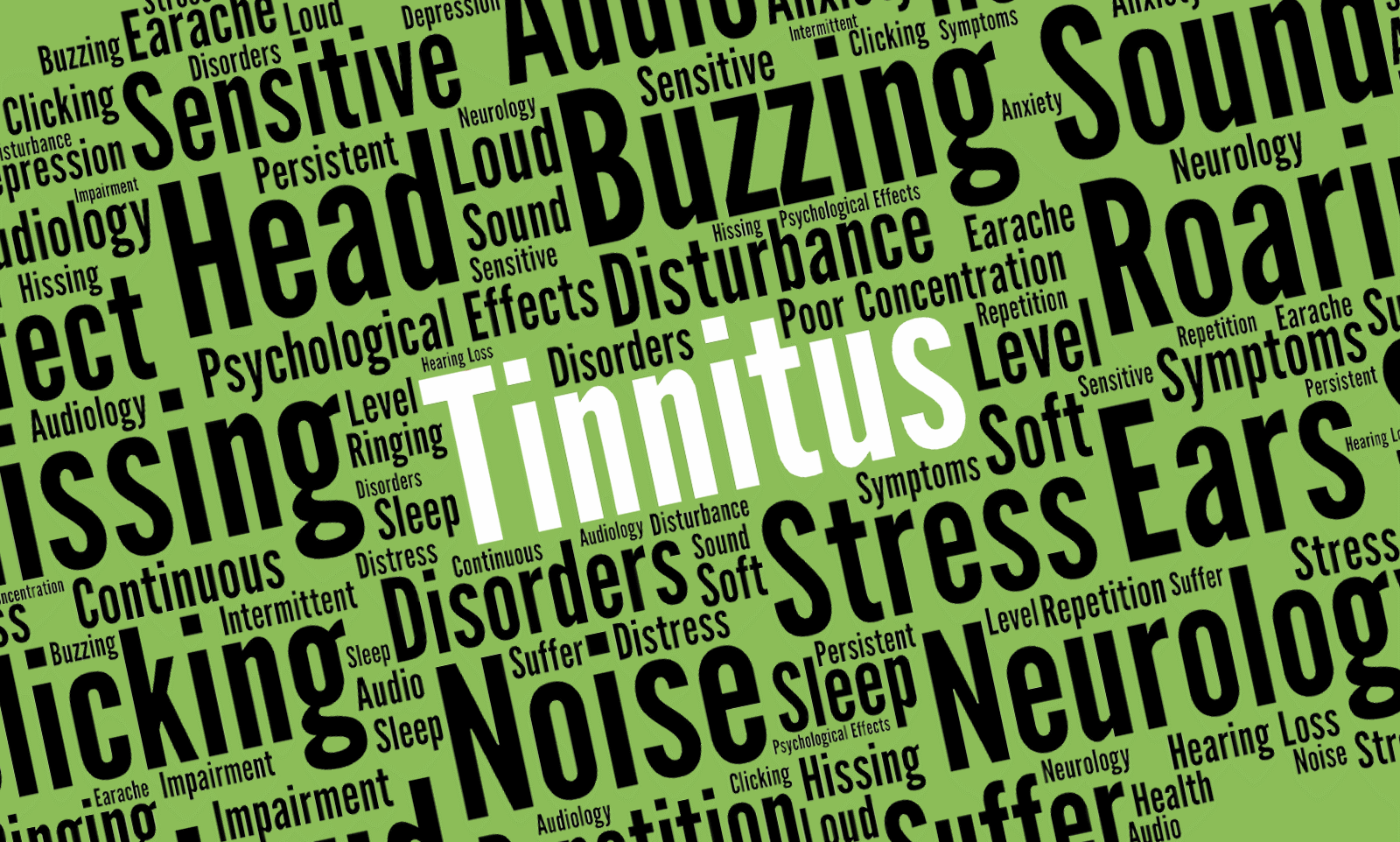
Tinnitus is characterized by the perception of sound, commonly described as a ringing, buzzing, humming, or clicking in one or both ears, when no actual external noise is present. Tinnitus is a complex symptom related to the auditory system and brain, affecting about 37% of adult Canadians.
Tinnitus impacts everyone differently and can range from being a mild annoyance to severely debilitating. It can interfere with daily life by causing increased stress levels, sleep disruptions, difficulties concentrating and higher rates of depression. This can enhance tinnitus awareness, creating a vicious cycle.
Tinnitus is most often associated with age-related or noise-induced hearing loss but can also occur among individuals with normal hearing. Factors that can increase the risk of tinnitus include excessive earwax, some medications, and temporomandibular joint disorder (TMJ), among other causes. Addressing your hearing along with a Tinnitus assessment can play a crucial role in managing your tinnitus and determining first steps in the treatment process.
Many different strategies can help make the noise in your ears less noticeable. Sound therapy is the most widely used approach to managing tinnitus. Imagine you are listening to an orchestra, composed of only a single violinist. The violin is very prominent and is the only sound that catches your attention. Now, add in other instruments like the clarinet, flute, and cello. The violin is still audible, but it is much more difficult to pick out amongst the orchestra.
Prescriptive technology, such as hearing devices, can be highly effective in reducing the perception of tinnitus as well as treating any hearing loss. By amplifying meaningful external sounds and introducing enriched sounds back to the brain, hearing aids can help you become less aware of your tinnitus and focus on what matters the most to you. Also, within prescriptive hearing devices are sound therapy programs that can generate a specialized noise or relaxing sounds to help your brain place less importance on the internally-generated ones. For individuals with normal hearing, the use of noise machines, fans, and nature sounds can also help shift your attention away from the tinnitus, making it less noticeable. In addition, there are now cell-phone apps that can be used to help treat tinnitus and allow you to use them anywhere
Other techniques like mindfulness meditation, counseling to help with coping strategies and relaxation exercises, can all help reduce the impact of tinnitus, as well as reducing caffeine intake, maintaining a healthy diet, and getting quality sleep.
At Sound Hearing Care, a tinnitus evaluation is specialized testing that goes beyond a basic ‘hearing test’. Tinnitus questionnaires are instrumental in determining the degree of impact that tinnitus has on an individual’s life. Specialized middle ear testing is completed. Tinnitus pitch and loudness can usually be pinpointed during audiometric testing, then documented. Extended high-frequency testing can also help discover auditory damage that might otherwise be missed. More detailed speech-in-noise testing can also determine other effects caused by auditory damage. A trial of tinnitus treatment devices adjusted to your individual results and treatment goals can be completed in-office or at home.
Contact Sound Hearing today to arrange your comprehensive tinnitus evaluation today!

After you’ve worn hearing aids for a while, putting them in each

Written by Autumn Benoot, M.Cl. Sc. Audiologist Hearing loss affects far
Written by: Savannah Barei B.Sc Behaviour Cognition, and Neuroscience